
A Brief History of Bengali
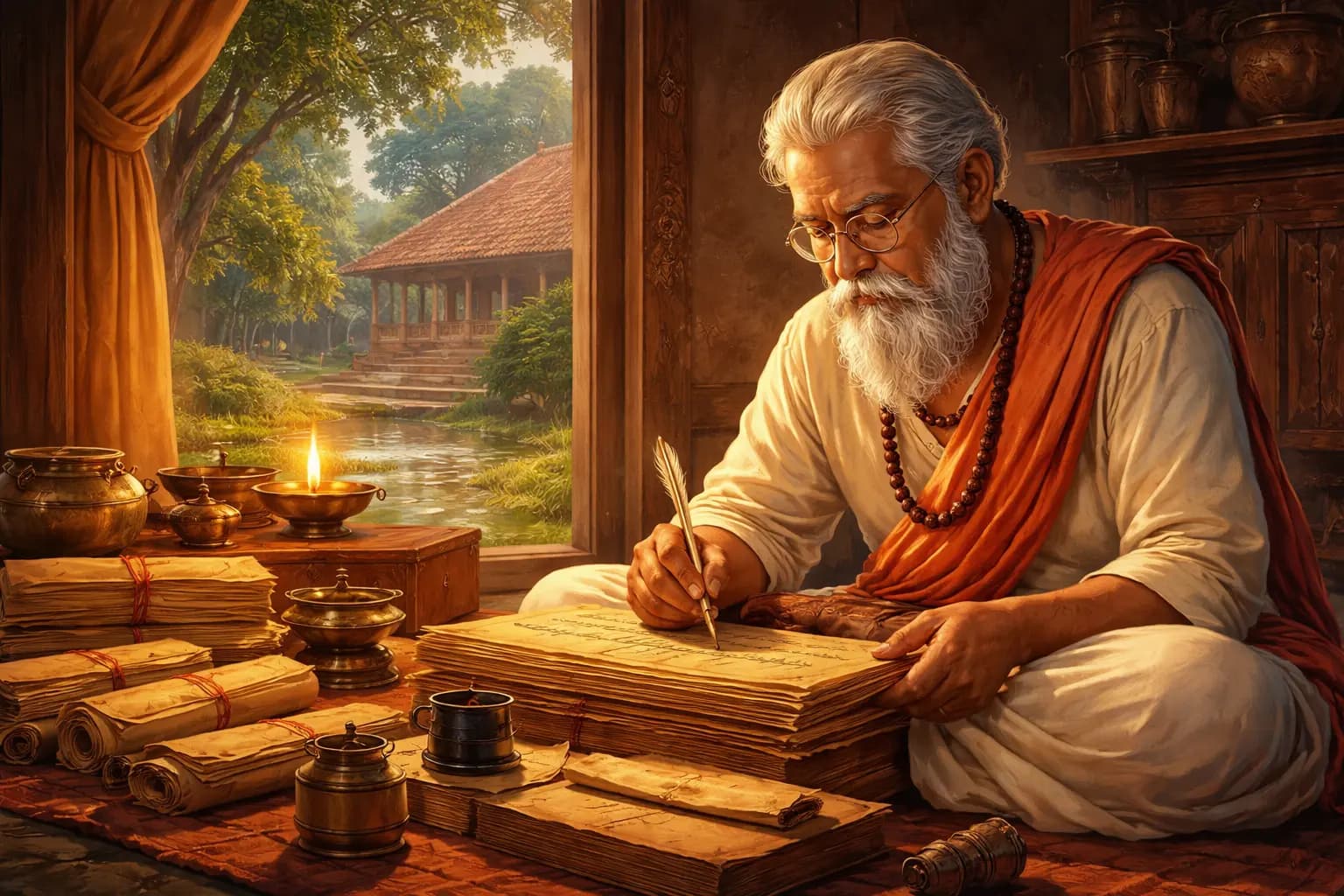
Bengali evolved from ancient Indo Aryan roots into a modern global language with a rich literary and cultural heritage.
Introduction: A Language That Sounds Like Music
Imagine a language so melodic that it is often described as one of the sweetest in the world. Spoken by over 230 million people today, Bengali (or Bangla) is more than just a means of communication; it is a bridge connecting ancient civilisations to a vibrant, modern culture. Whether you are drawn to its unique script or its rich literary heritage, understanding the journey of the Bengali language helps unlock the heart of South Asia.
The Ancient Roots (600 BCE - 1000 CE)
The story of Bengali begins thousands of years ago. Like many languages in Northern India, it belongs to the Indo-Aryan family. Its most distant ancestor is Sanskrit, but Bengali did not emerge directly from it. Instead, it evolved through Prakrits, spoken dialects of the common people.
By the 7th century, a specific version called Magadhi Prakrit began to transform into the earliest forms of Bengali. This period is marked by the Charyapada, a collection of mystical poems discovered in the early 20th century. These are considered the oldest known examples of Bengali literature, dating back to at least the 10th century.
The Middle Era: A Fusion of Cultures (1200 - 1800)
As different empires rose and fell, the language grew richer. During the Bengal Sultanate and later the Mughal Empire, Bengali began to absorb words from Persian, Arabic, and Turkic languages. This created a cosmopolitan feel to the tongue.
During this time, the language was used primarily for poetry and religious songs. Great epics were translated from Sanskrit into Bengali, making stories accessible to everyone, not just scholars. This era solidified Bengali as a language of the people, distinct from the formal Sanskrit used in temples.
The Birth of Modern Bengali (1800 - Present)
The 19th century brought a massive shift, often called the Bengal Renaissance. With the establishment of Fort William College in Kolkata and the arrival of the printing press, Bengali prose was standardised.
Key figures like Ishwar Chandra Vidyasagar refined the alphabet, while polymaths like Rabindranath Tagore (the first non-European to win the Nobel Prize in Literature) elevated the language to the world stage. It was during this time that Bengali became a powerhouse of modern literature, philosophy, and political thought.
The Fight for the Mother Tongue
A unique chapter in the history of Bengali is the Language Movement of 1952. After the partition of India and Pakistan, speakers in what is now Bangladesh fought for the right to use Bengali as an official language. This movement was so significant that UNESCO later declared February 21st, the day of the protests, as International Mother Language Day, celebrating linguistic diversity worldwide.
The Unique Script
If you are looking to learn Bengali, you will encounter the Eastern Nagari script. While it looks similar to Devanagari (used for Hindi), it is more angular and lacks the horizontal bar connecting every single letter in the same way. The script evolved from the ancient Brahmi script and has remained relatively stable for centuries, making 19th-century books still perfectly readable today.
Why Learn Bengali Today?
Today, Bengali is the seventh most spoken language in the world. It is the official language of Bangladesh and the second most spoken language in India. For learners, it offers:
- Access to Incredible Literature: From Tagore to modern-day novelists.
- Phonetic Consistency: Once you learn the alphabet, you can usually pronounce any word you see.
- Cultural Connection: It opens doors to a region famous for its cinema, music, and hospitality.
The history of Bengali is a testament to resilience and beauty. By learning it, you are not just picking up a new skill; you are joining a history that spans over a thousand years of transformation.
Comments
No comments yet. Start the conversation.